Last week, I noticed a dead Shag washed up on Stevenston Beach with a metal ring. I would show you the picture, but it wasn’t pretty, having been scavenged, and you might be having your tea… With a bit of effort, I managed to remove the ring and then entered the details in the BTO Ringing website (well worth a visit for lots of information).
Today I got back a detailed report. The bird was a male Shag ringed by the Clyde Ringing Group on Aisla Craig on 27 May 2009 when it was at least 2 years old. It was found 6168 days after it was ringed, 46 km from the ringing site. This makes it at least 17 years old.
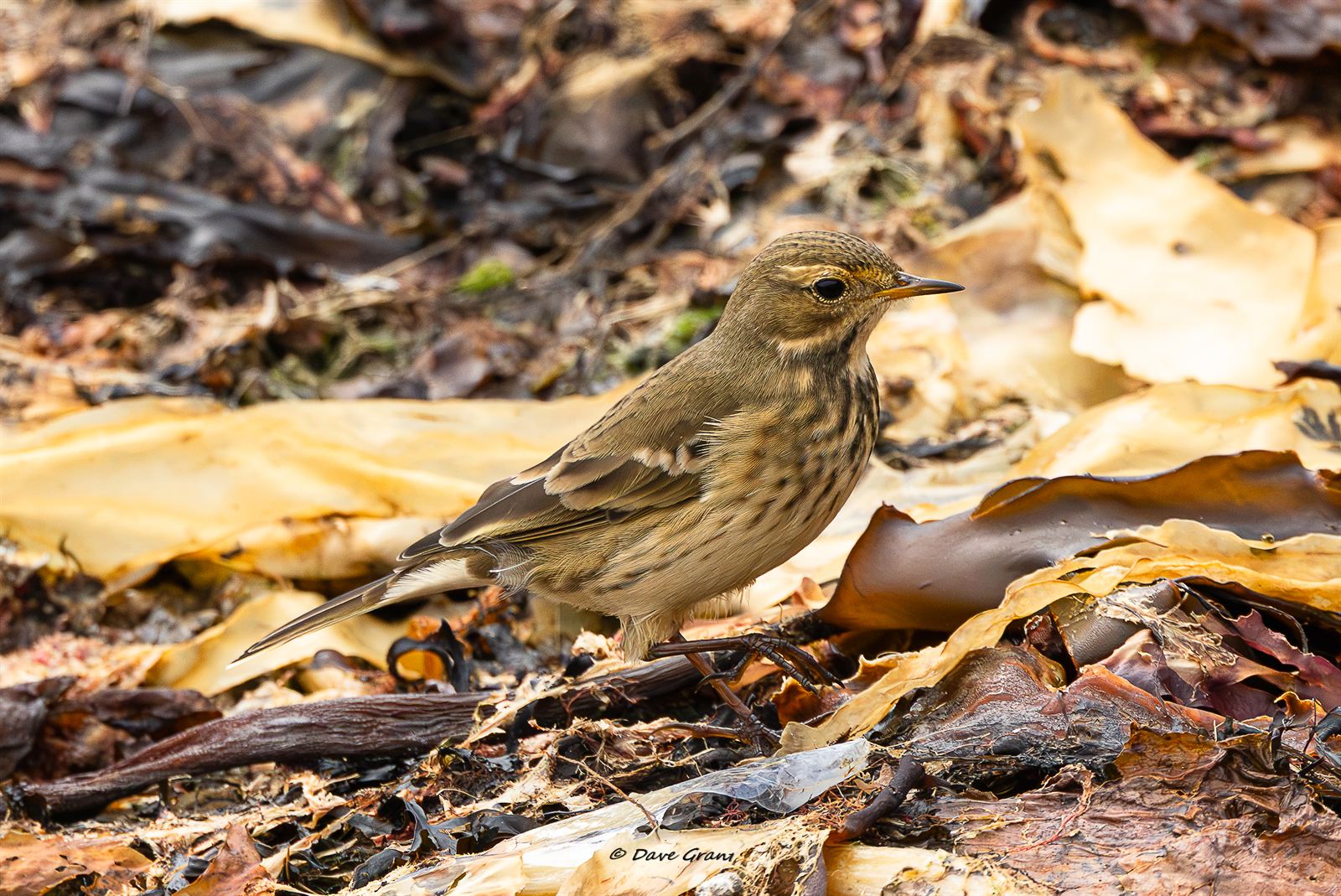
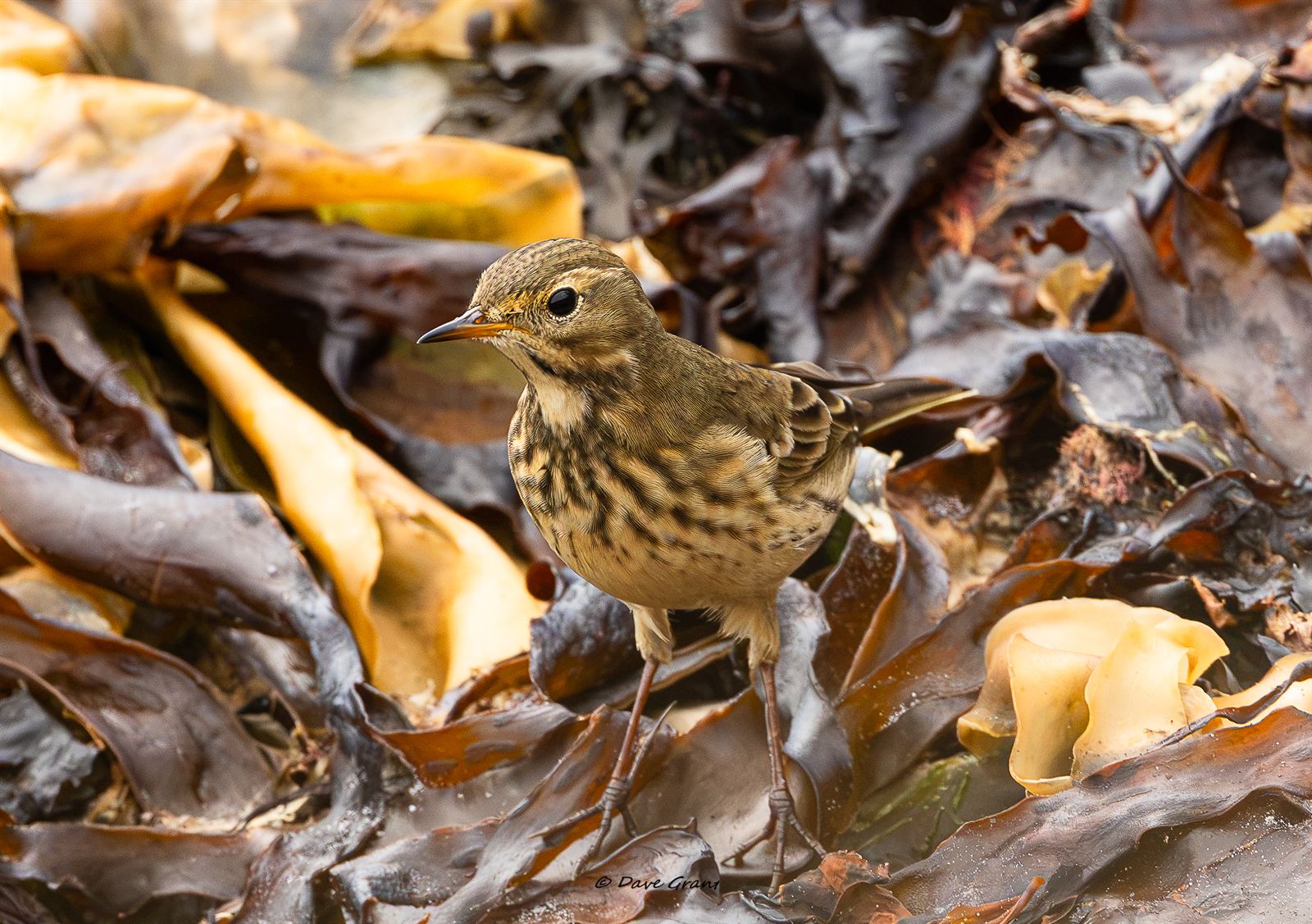
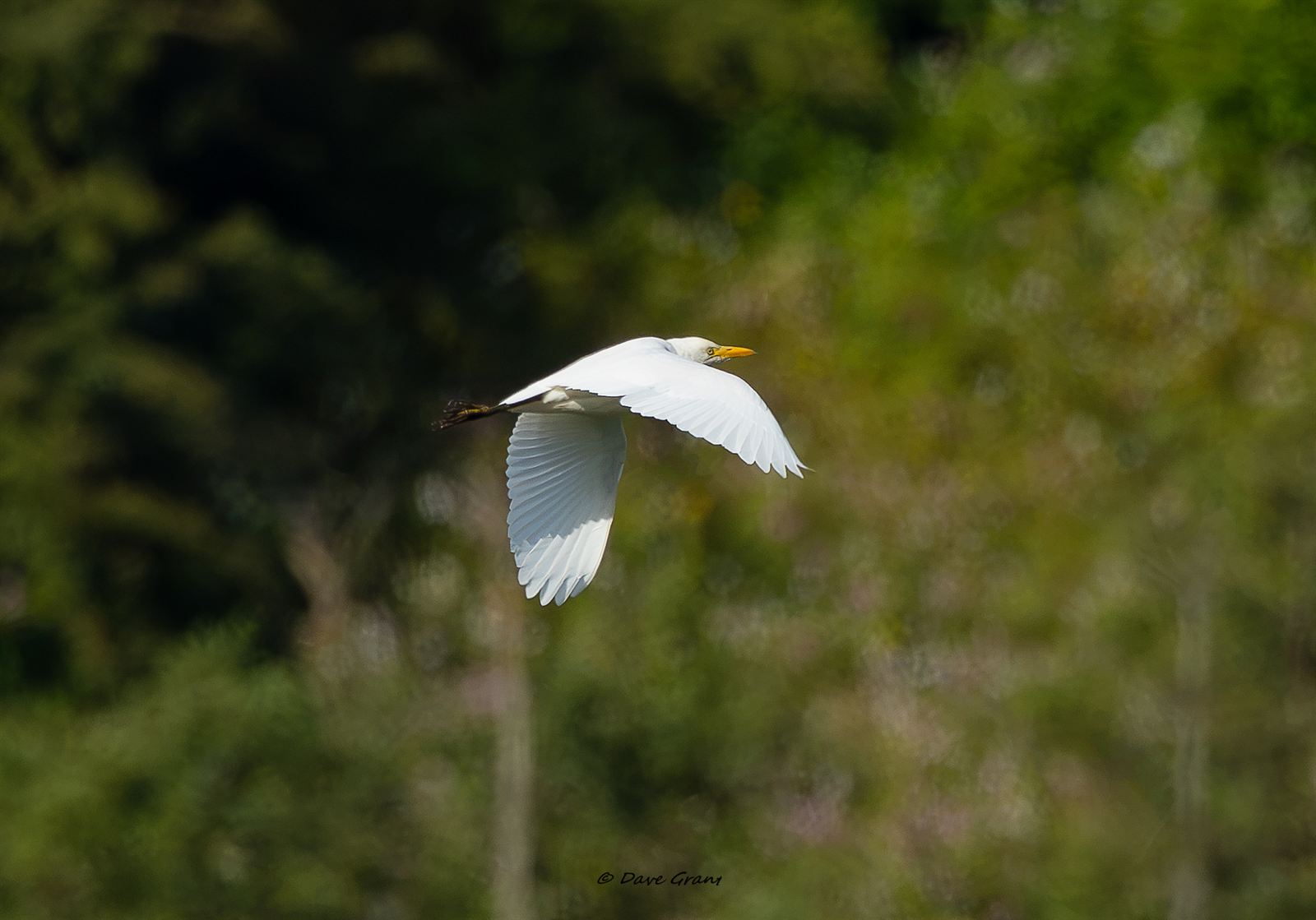
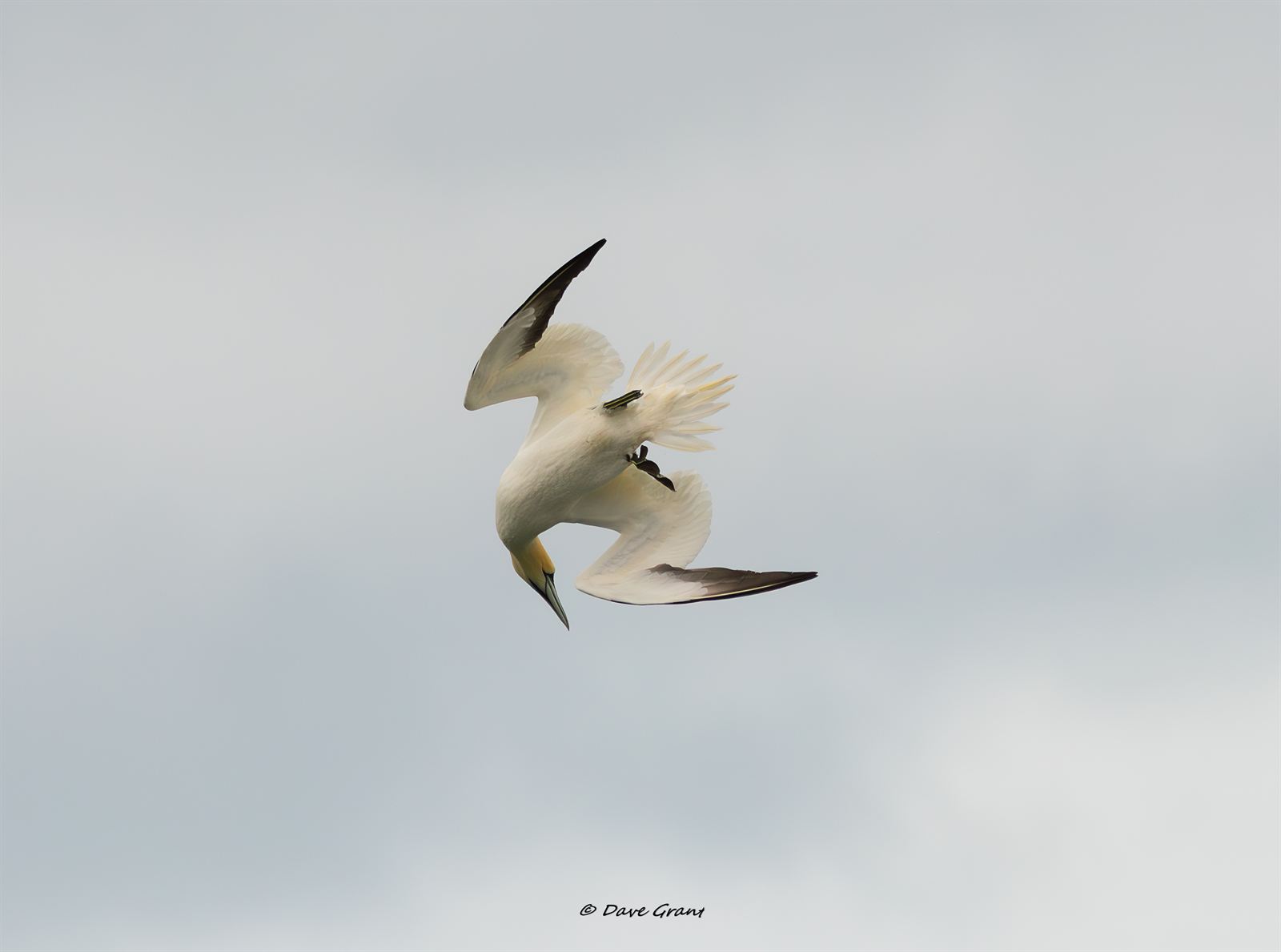
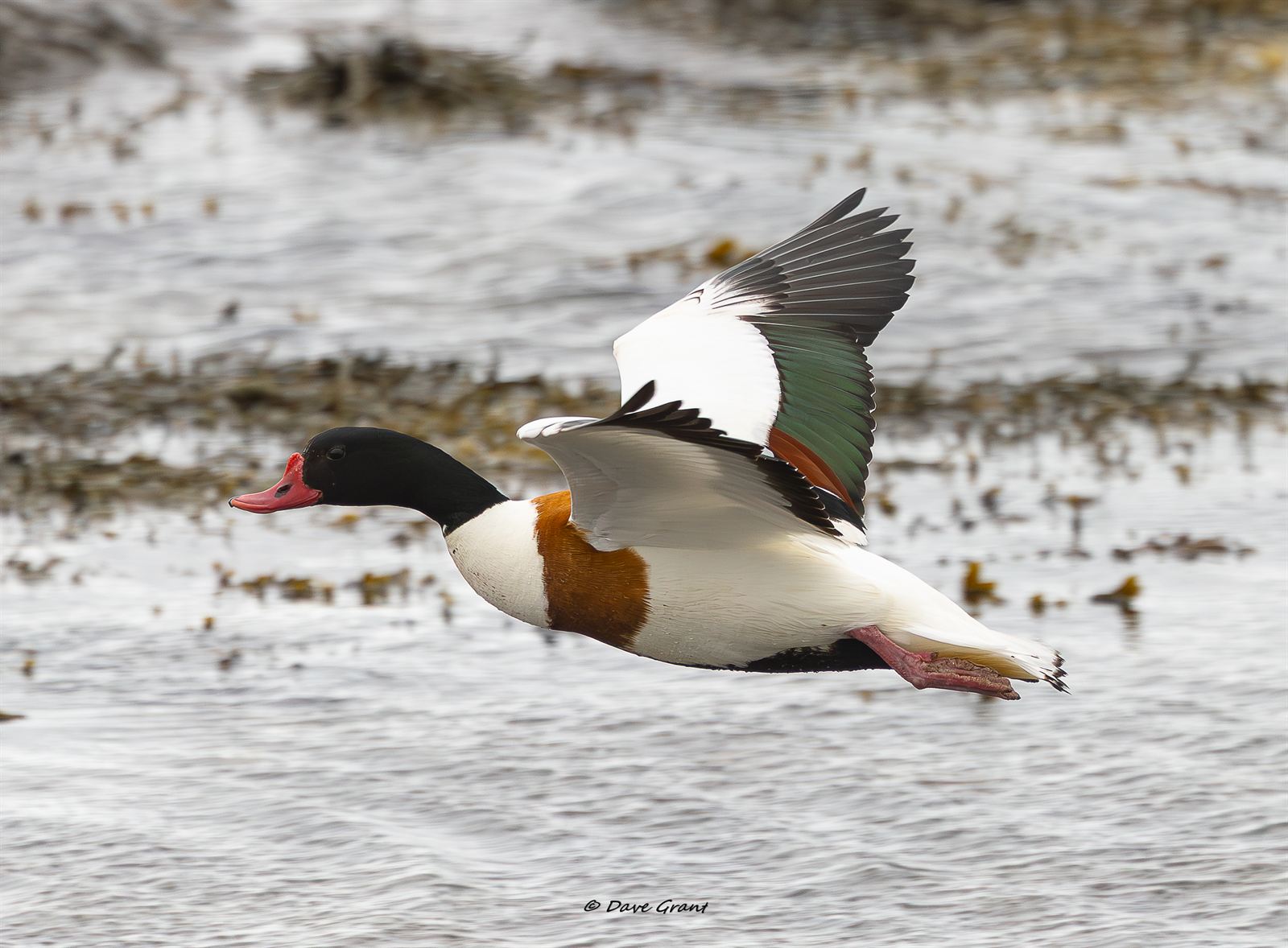
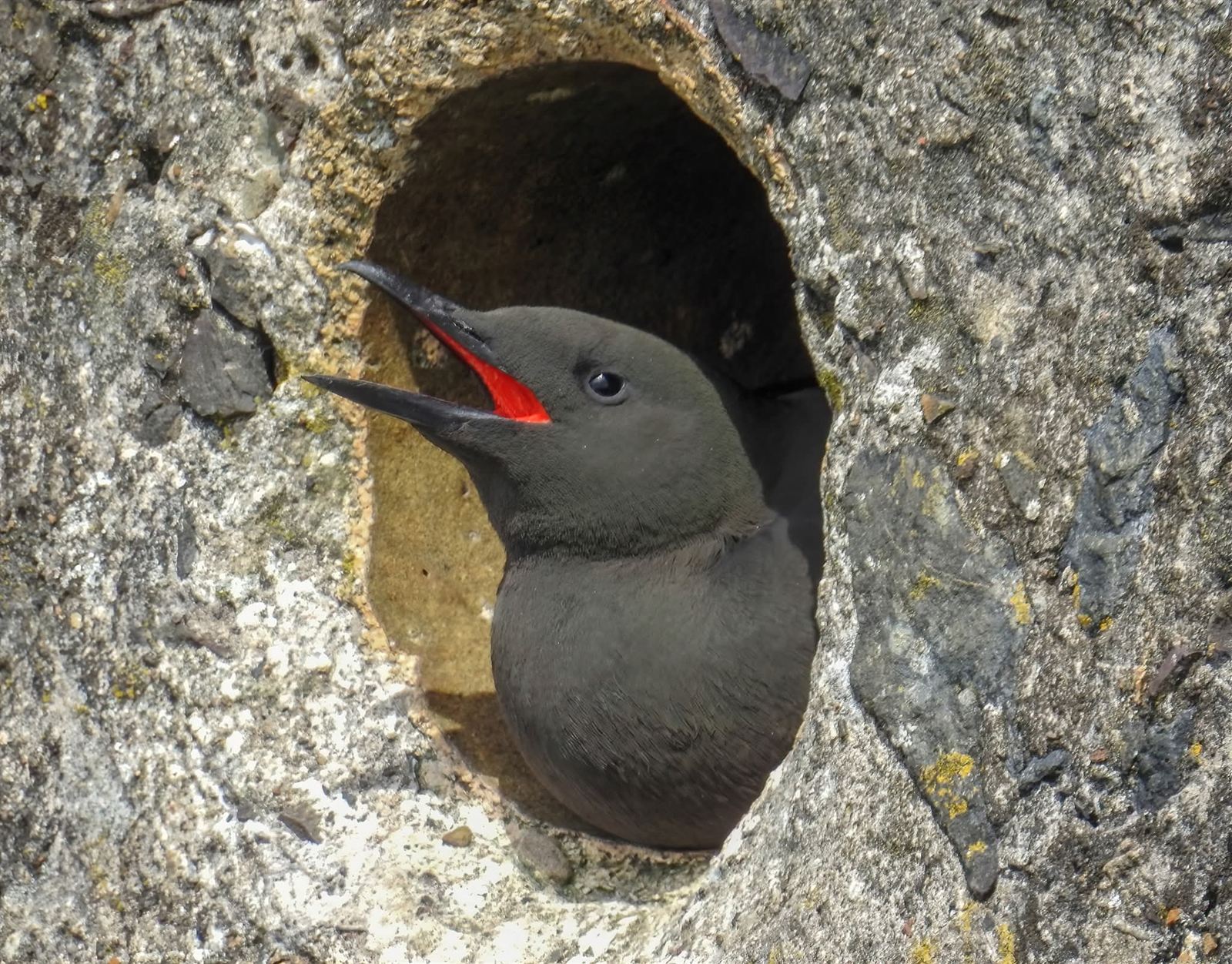
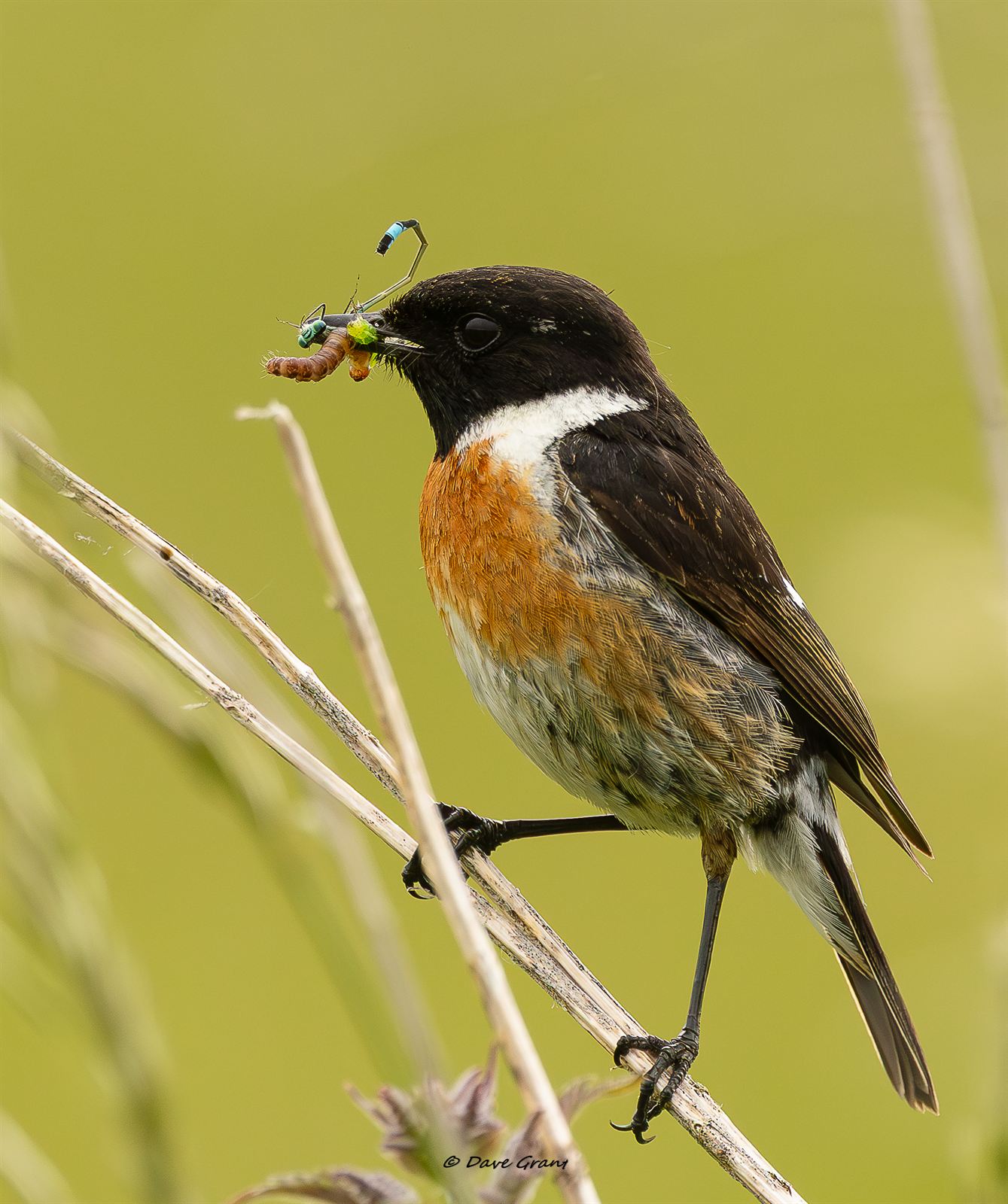
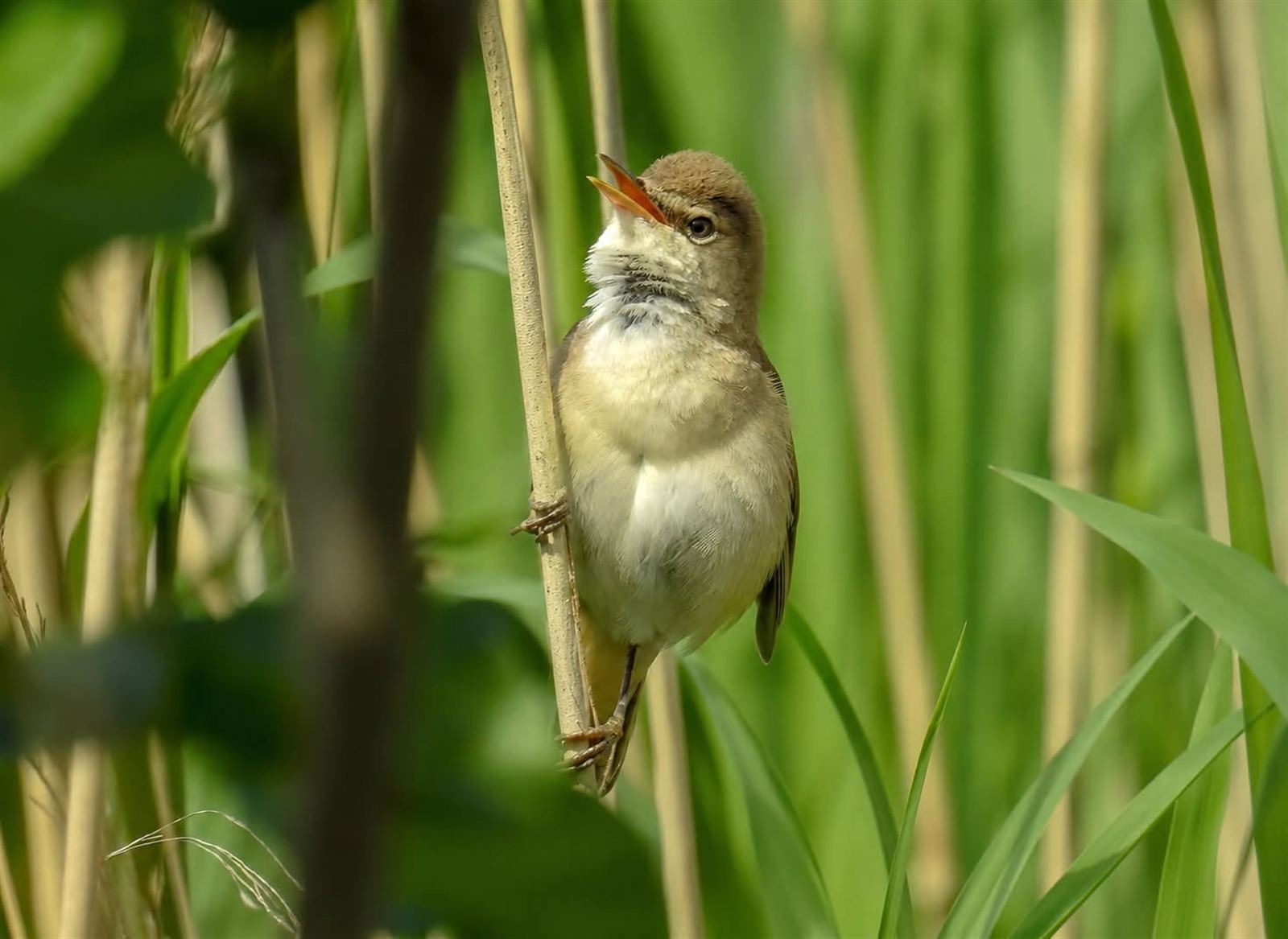
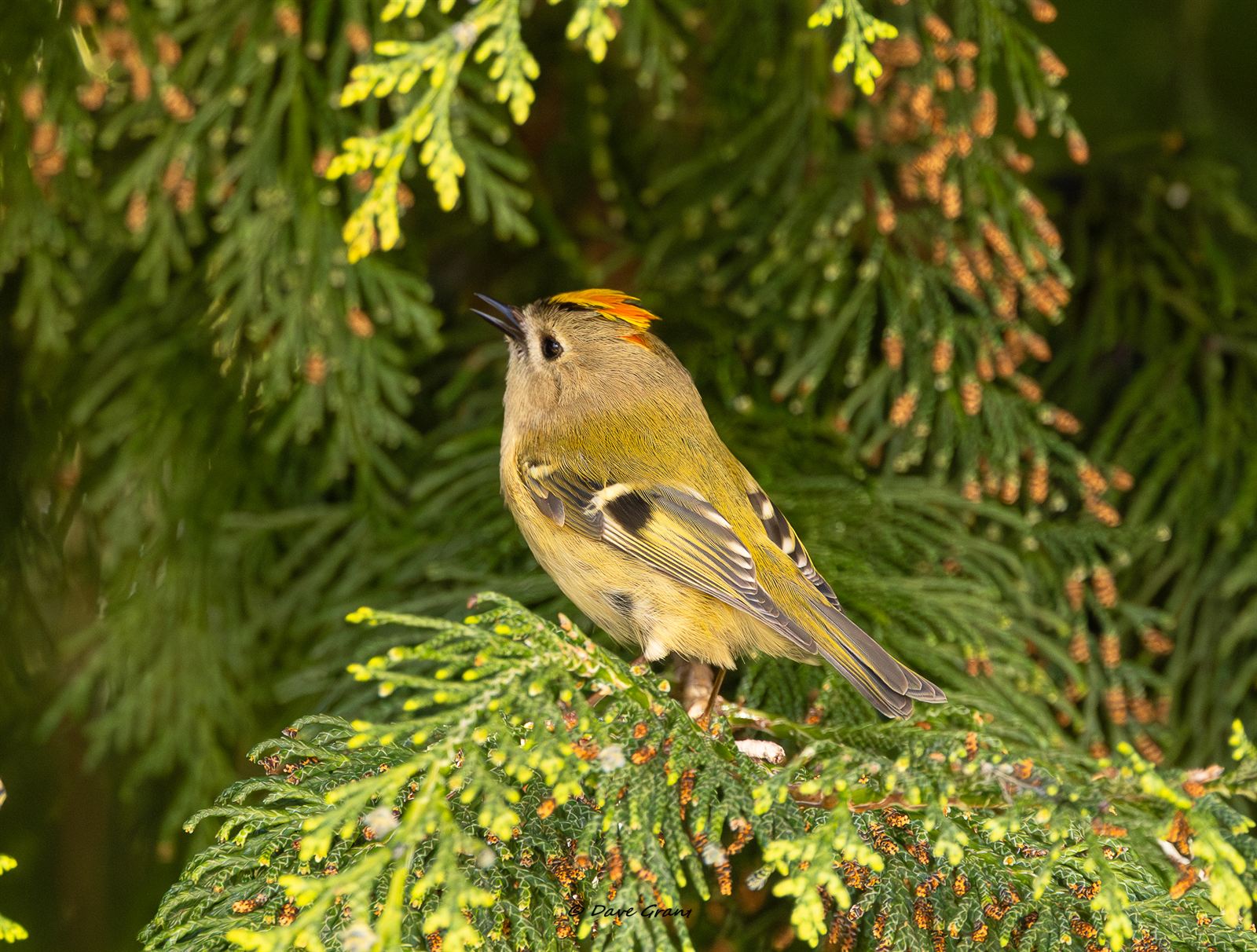
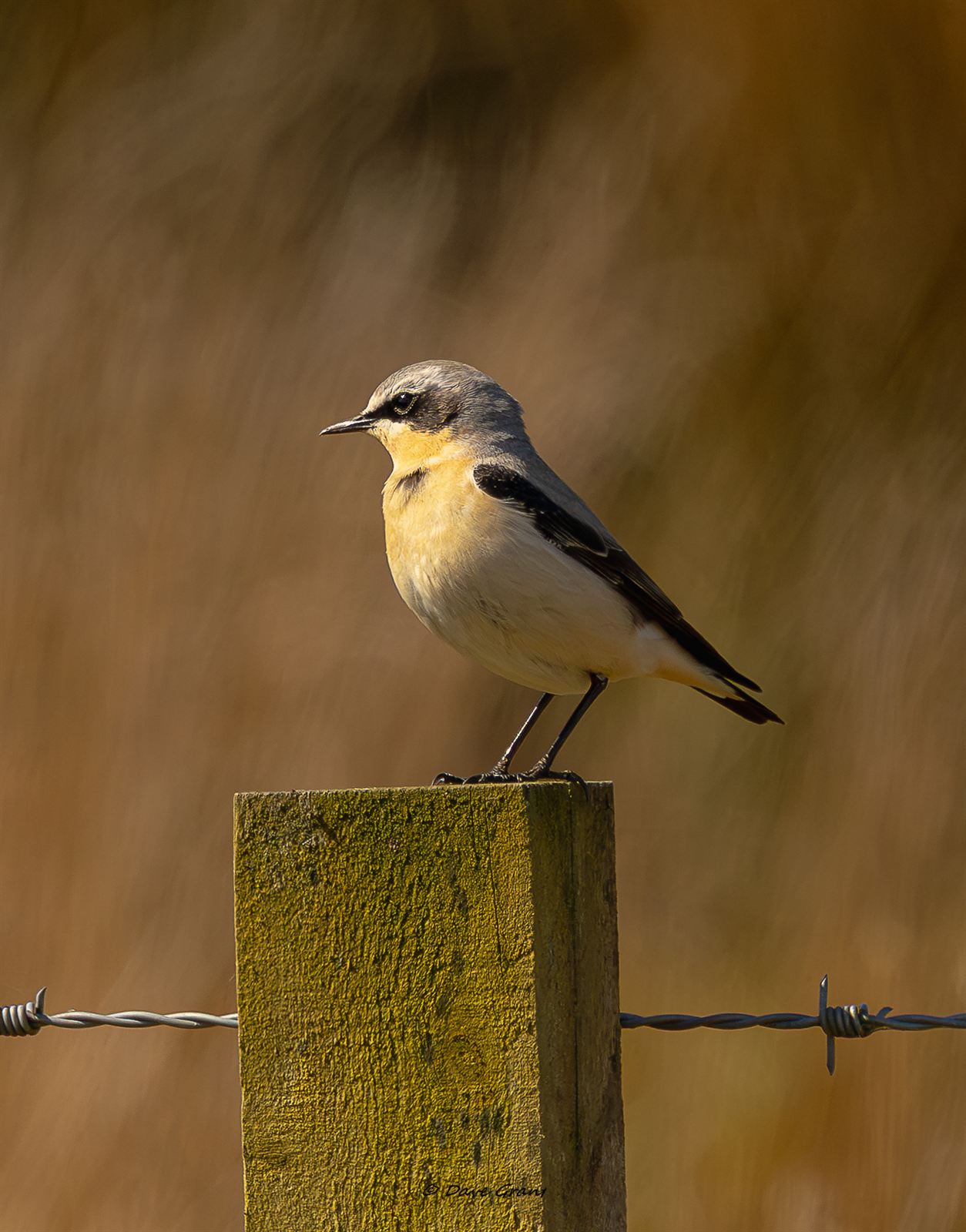
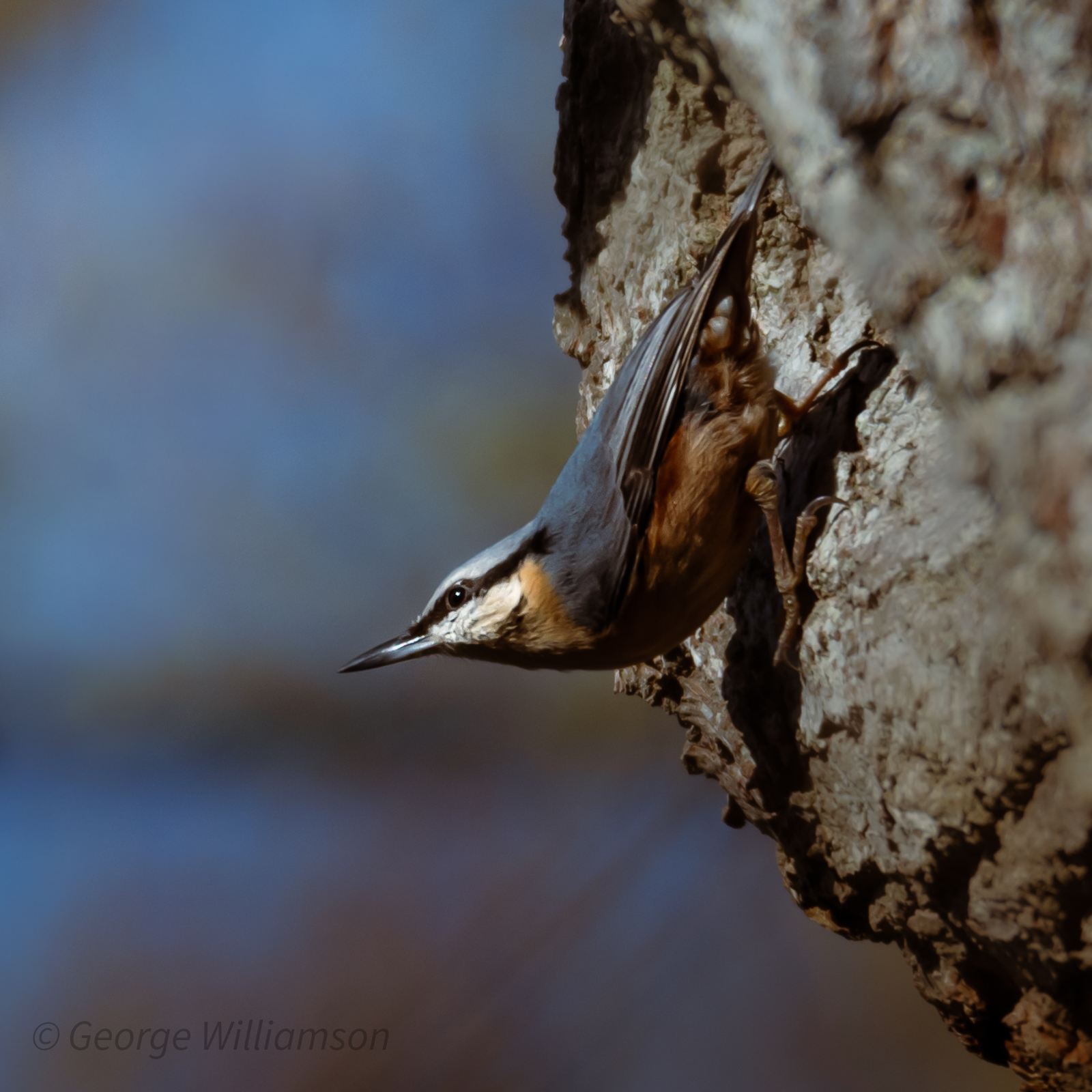
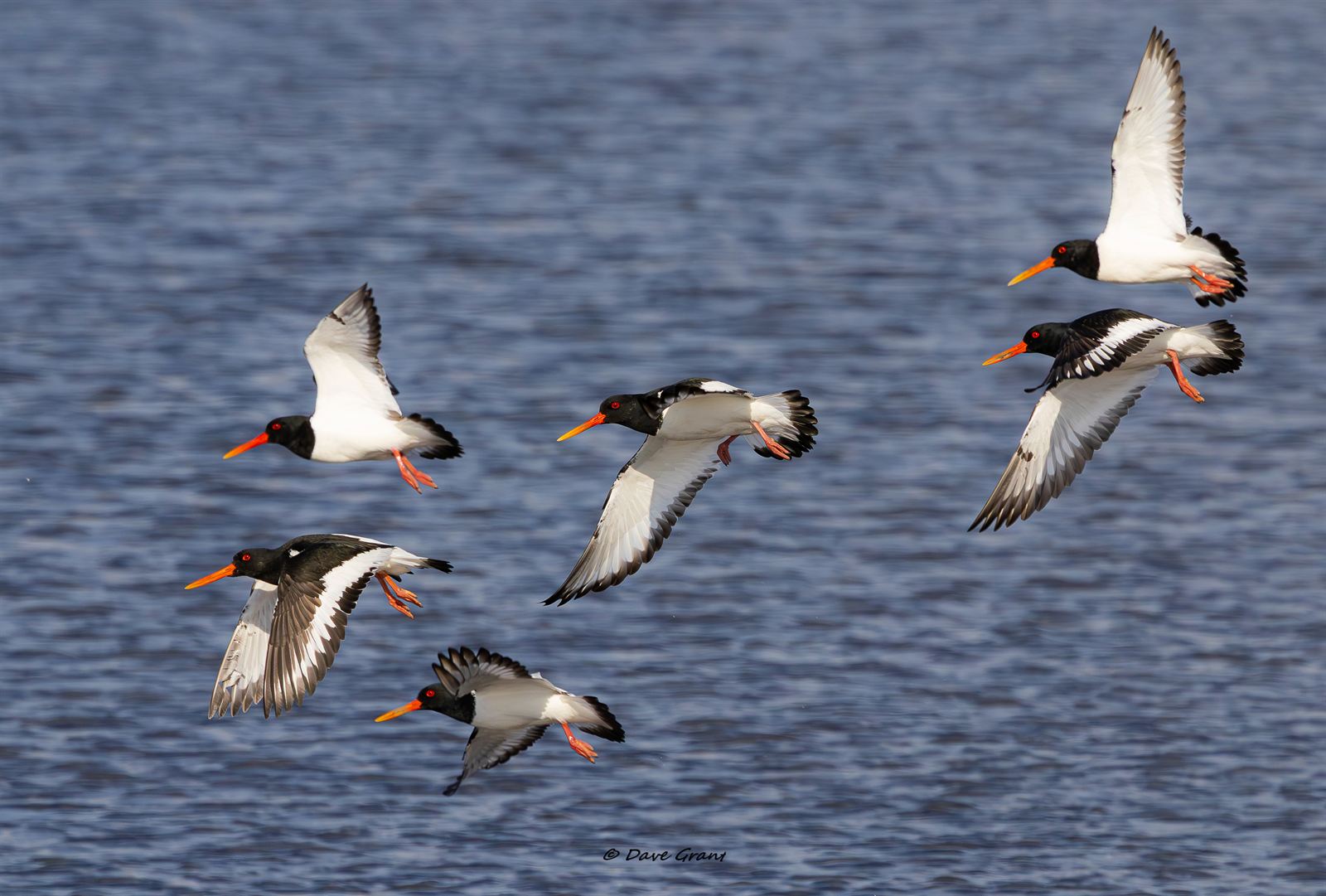
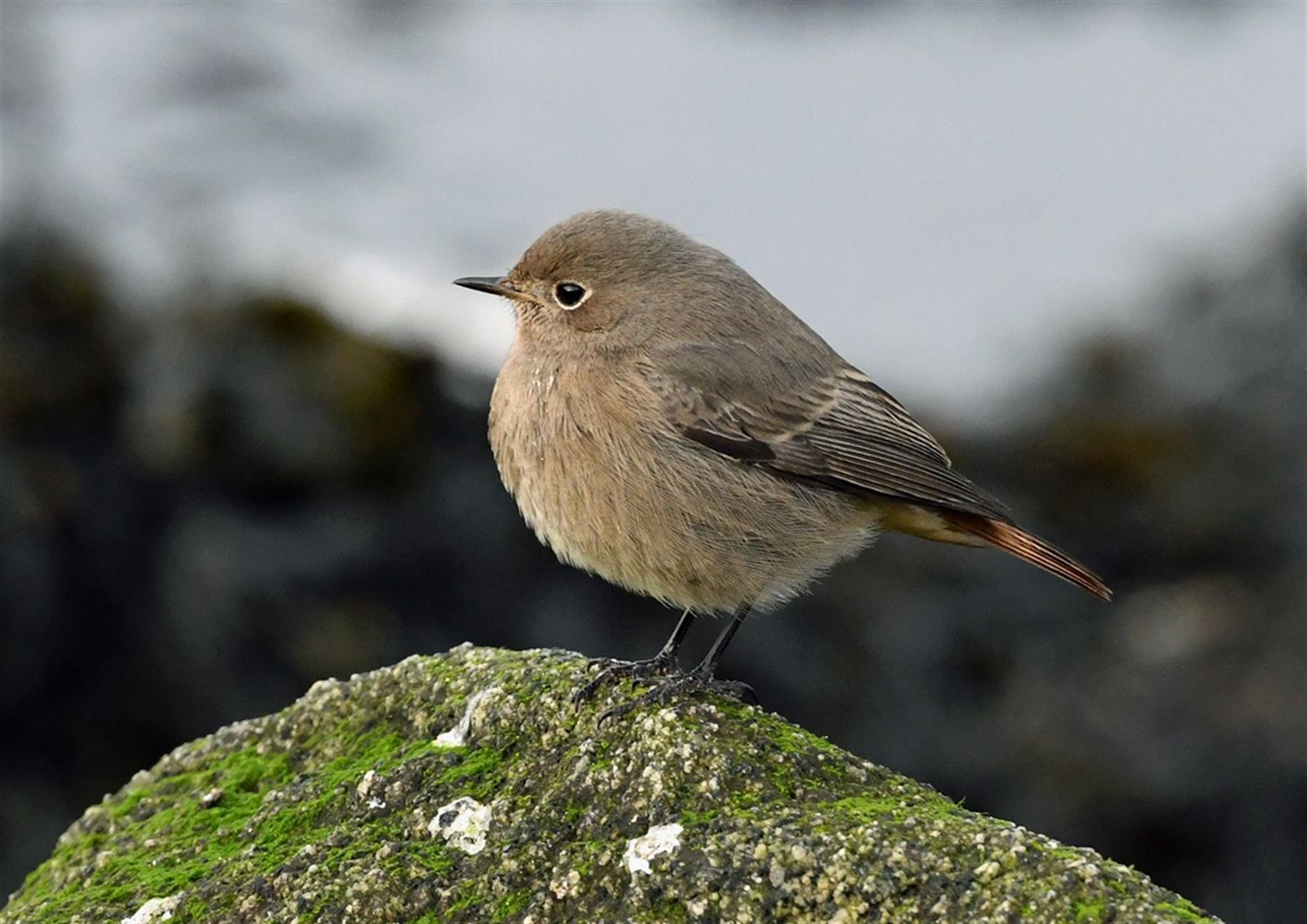
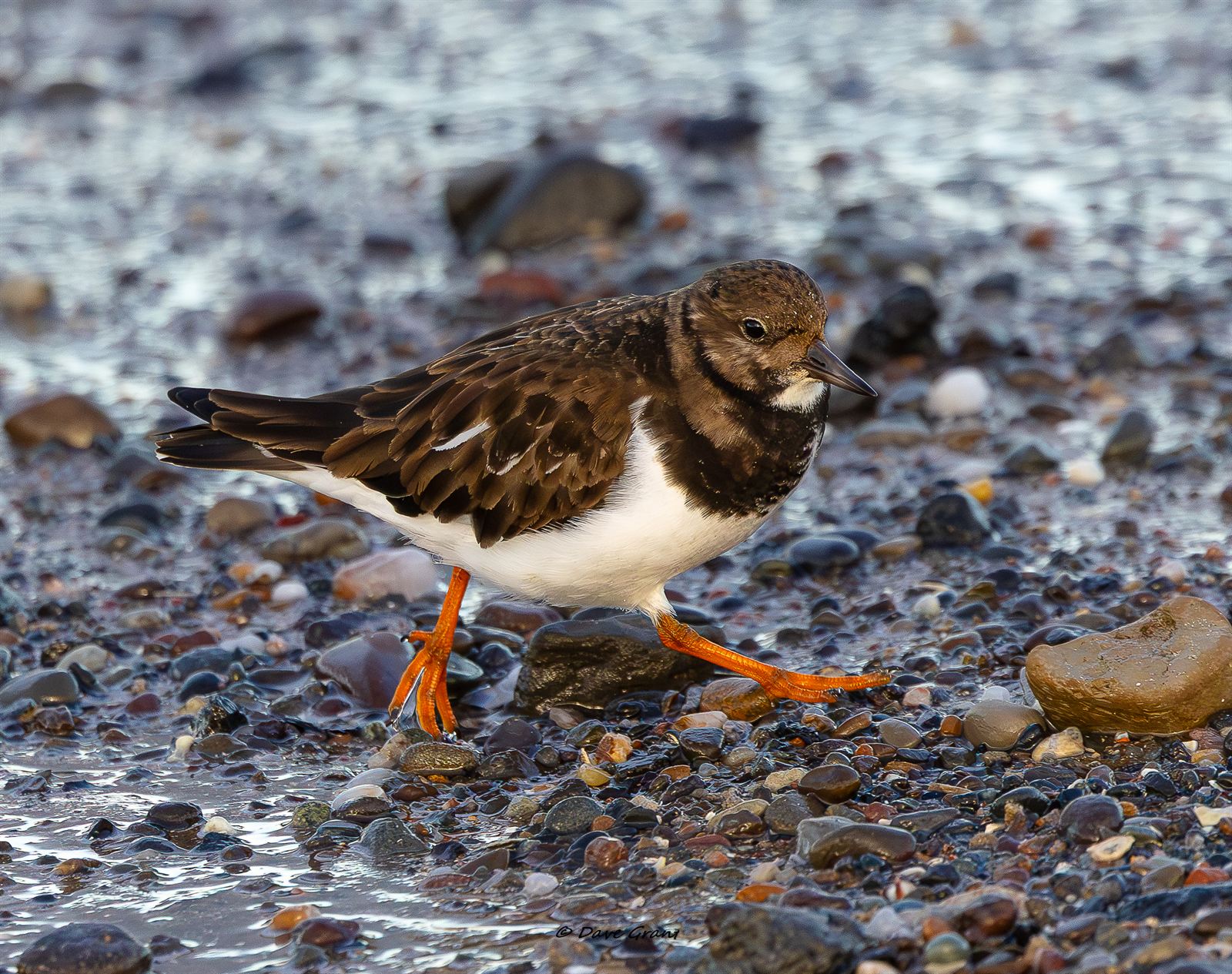
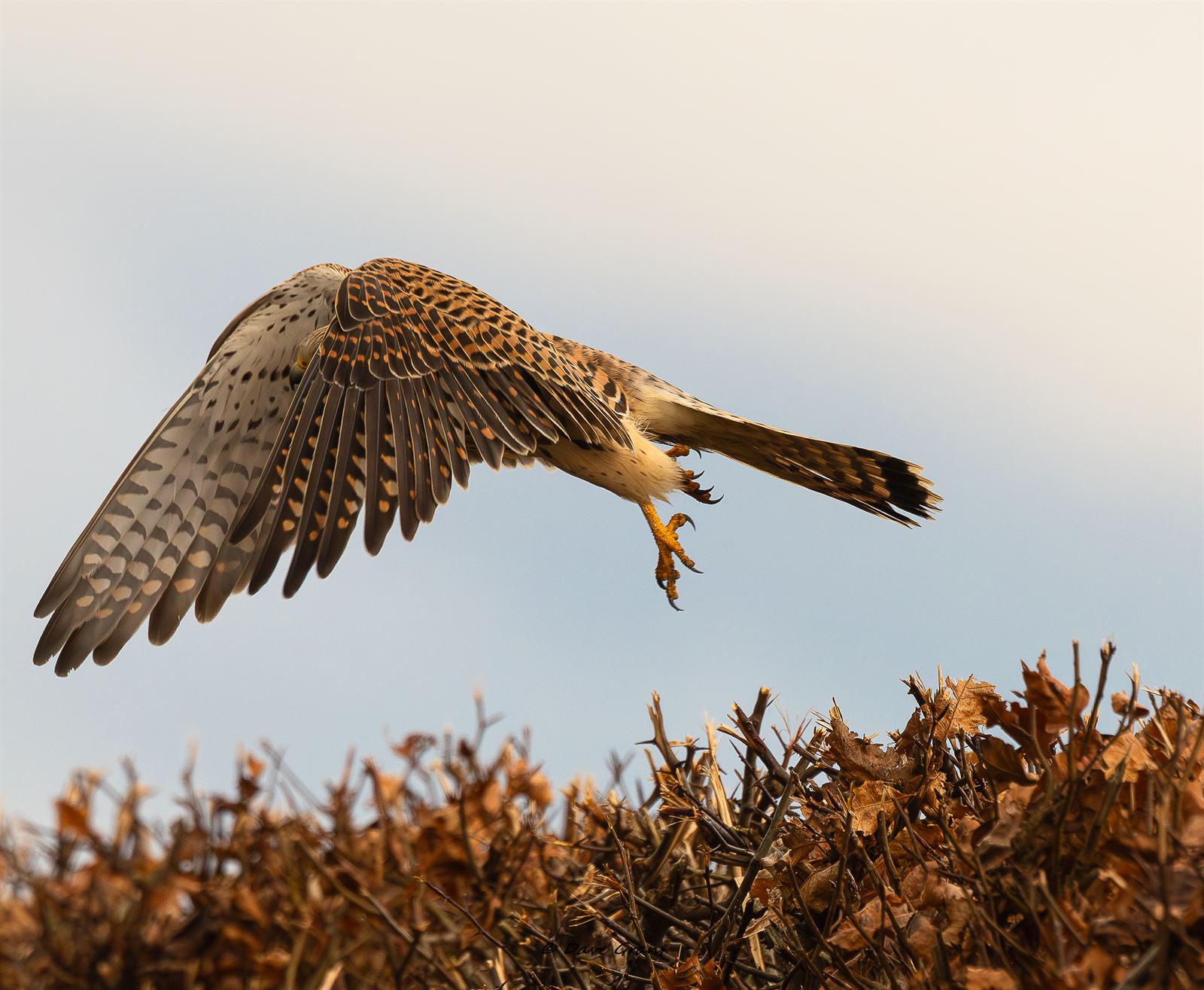
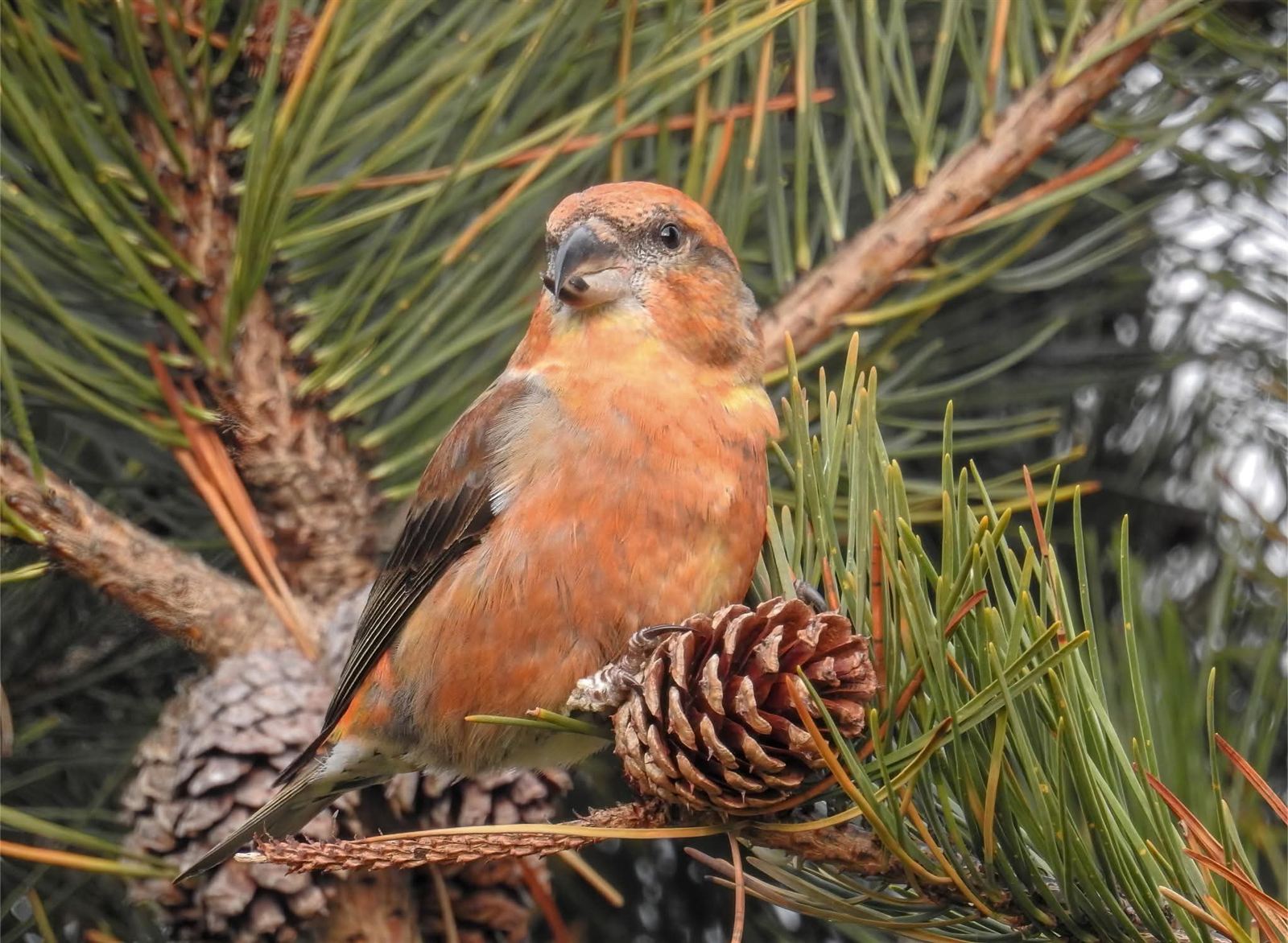
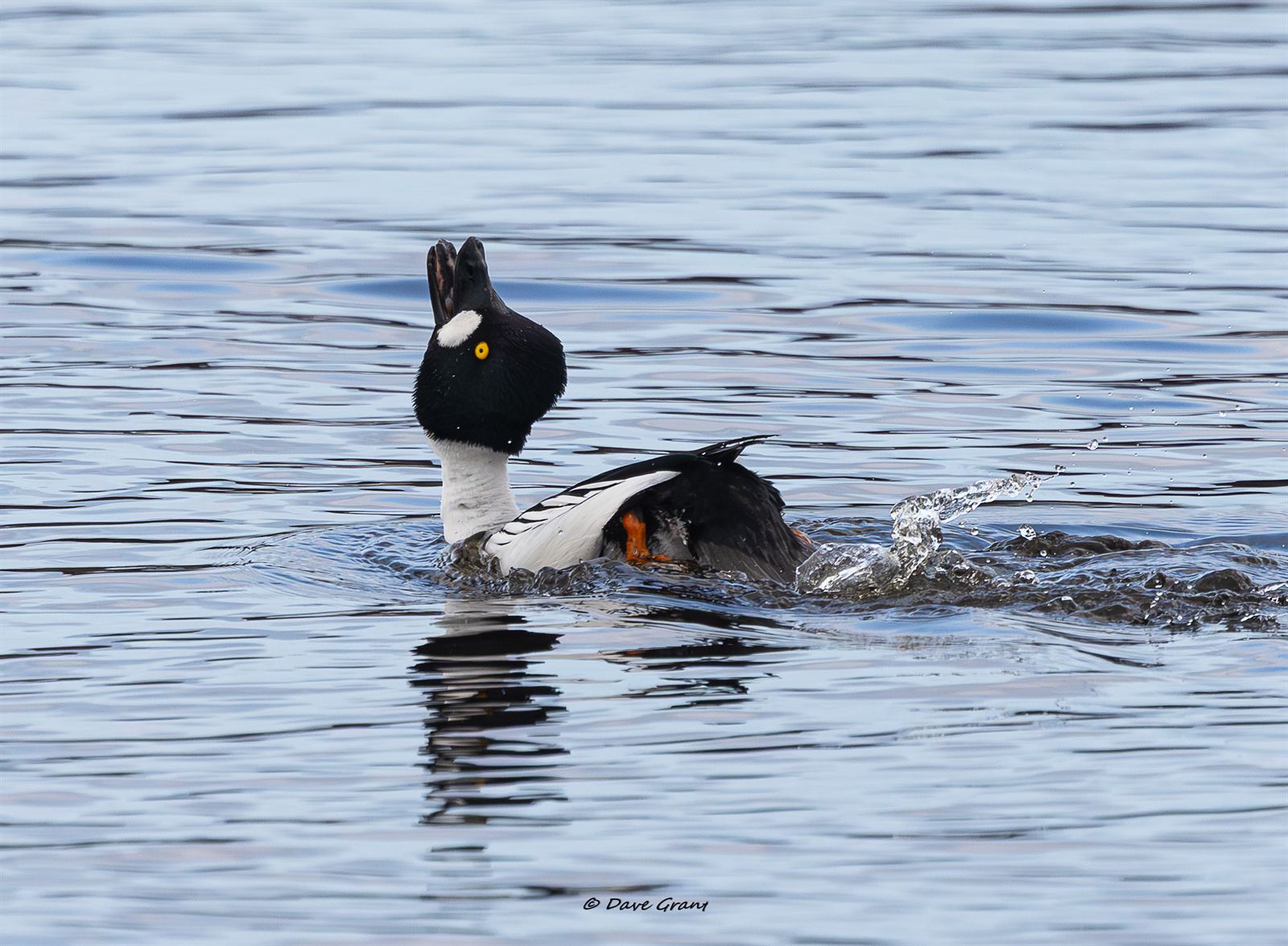
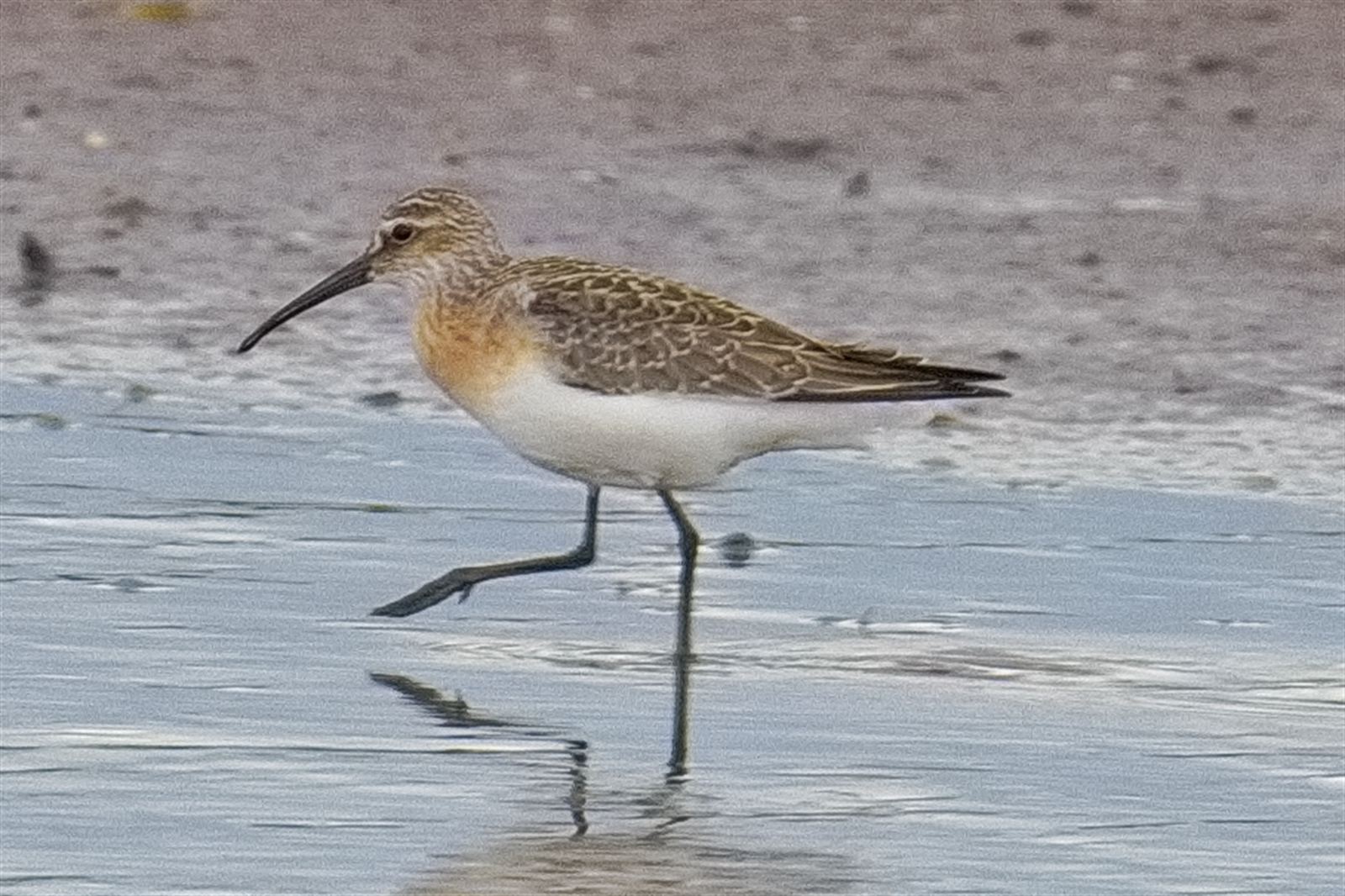
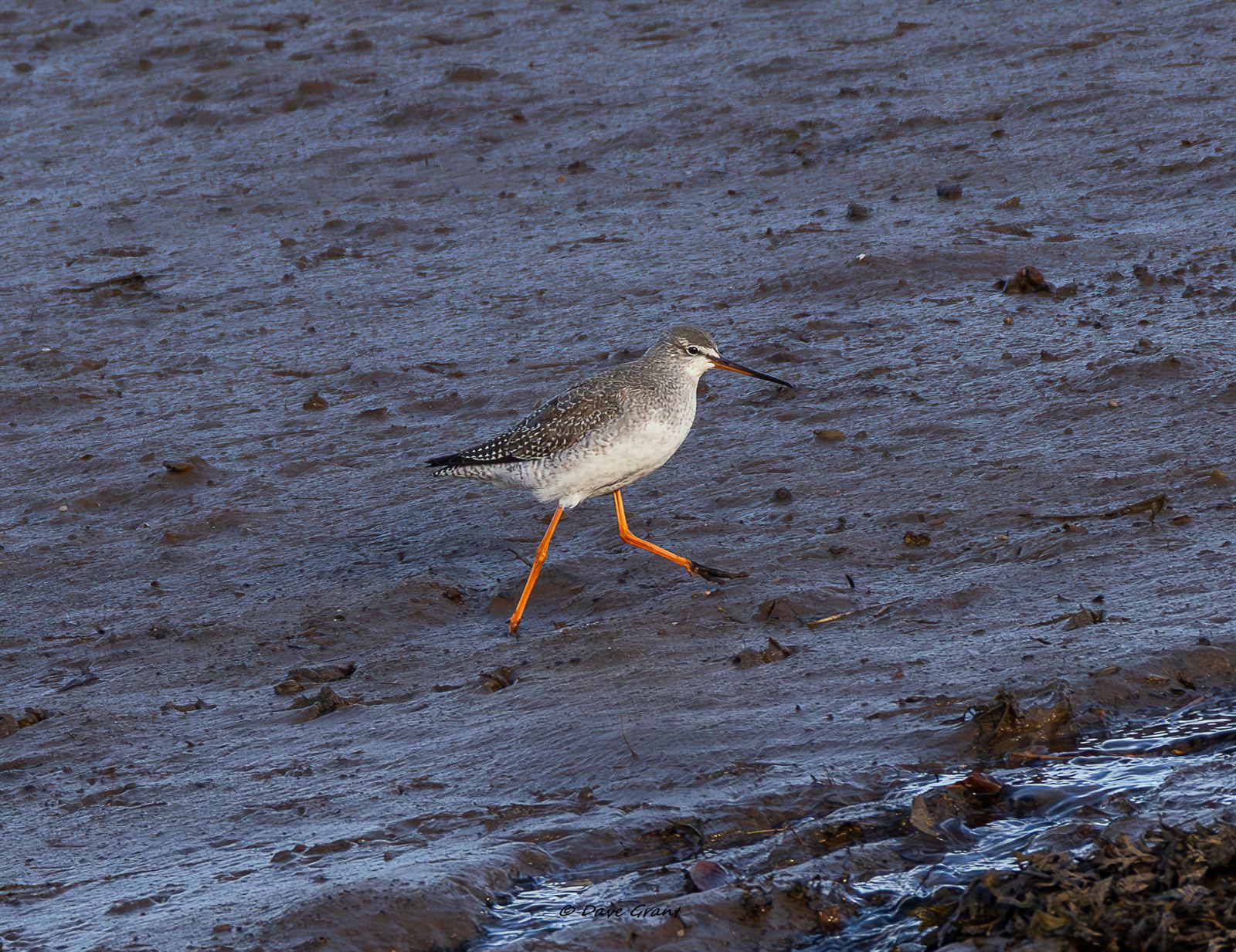
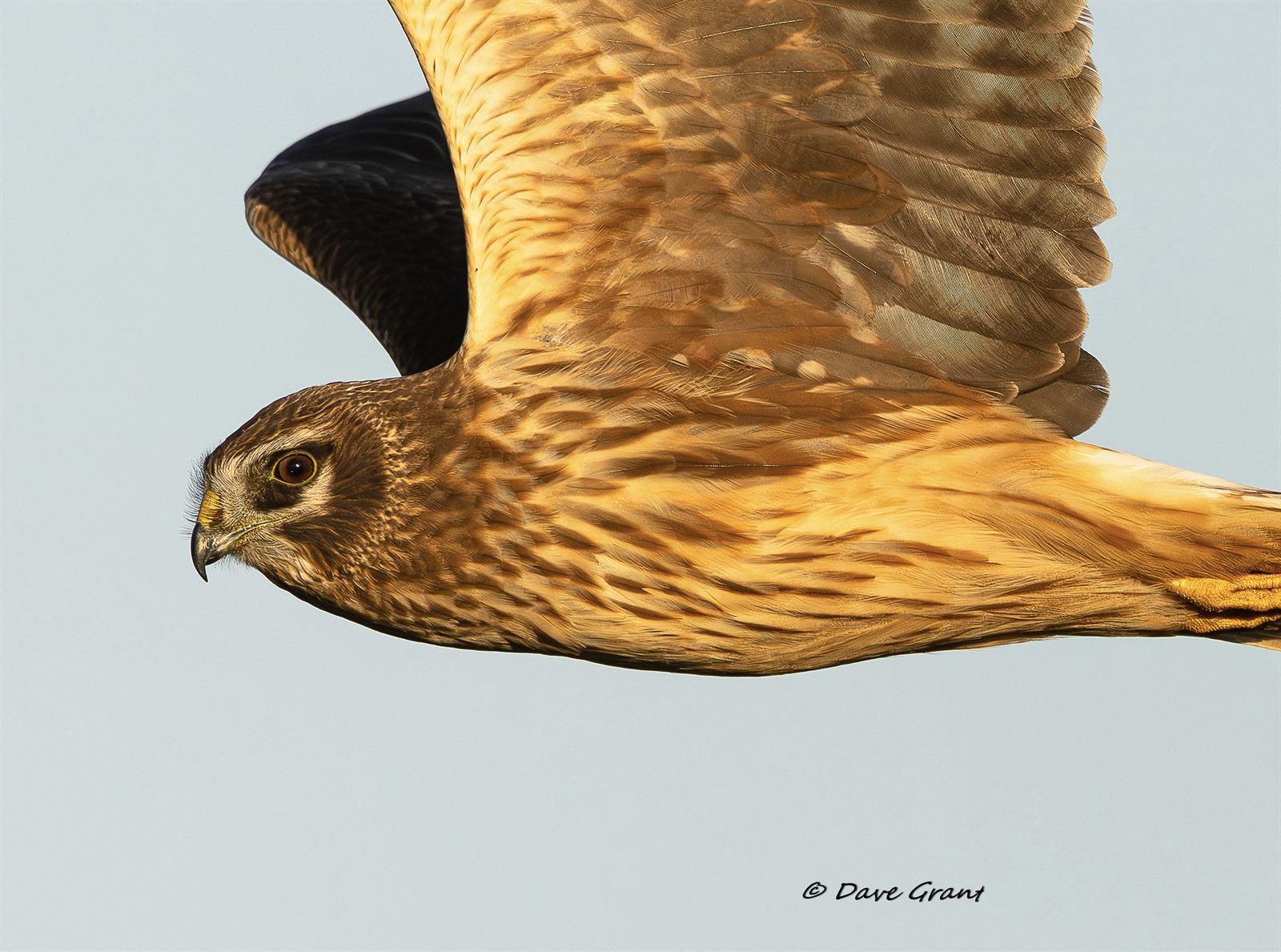
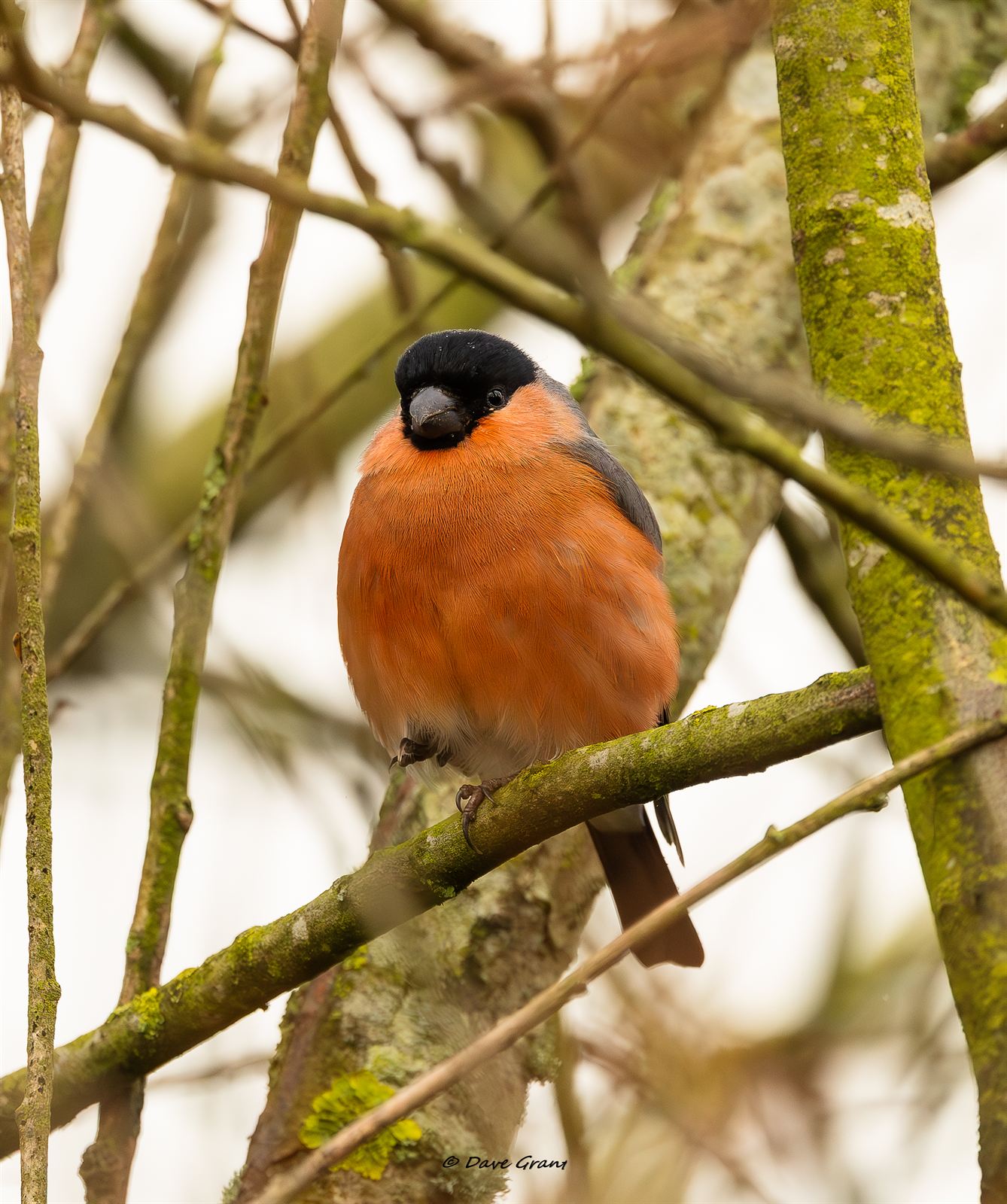
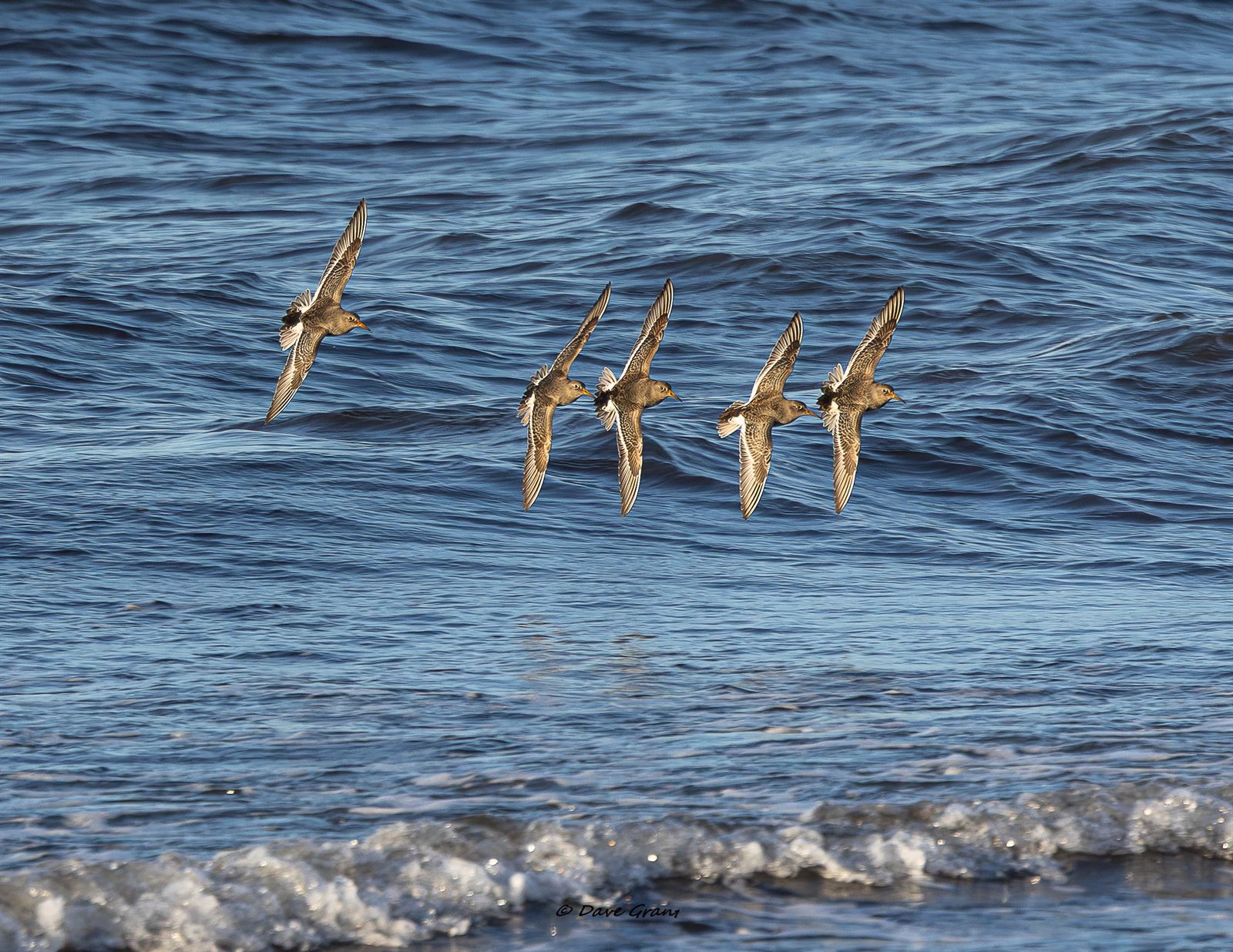
The photos above have been kindly submitted to the Photo Gallery. My thanks go to Dave Grant, Angus Hogg and David Lynn for sending in the latest batch. Remember, the ones I use as adverts are only a small subset of what we have in the Gallery: there’s a lot of great images going back over the decades there.
Following on from my article relating to an update of the Birds of New Cumnock Parish by JA Begg (Howes 2025). I have been able to glean information about the historical distribution of certain breeding species in the New Cumnock area, adding to it with census results and up-to-date information from recent windfarm development surveys.
The photos above have been kindly submitted to the Photo Gallery. My thanks go to Dave Grant and Bruce Kerr for sending in the latest batch, and to everyone who has submitted stuff over the year. Remember, the ones I use as adverts are only a small subset of what we have in the Gallery: there’s a lot of great images going back over the decades there.
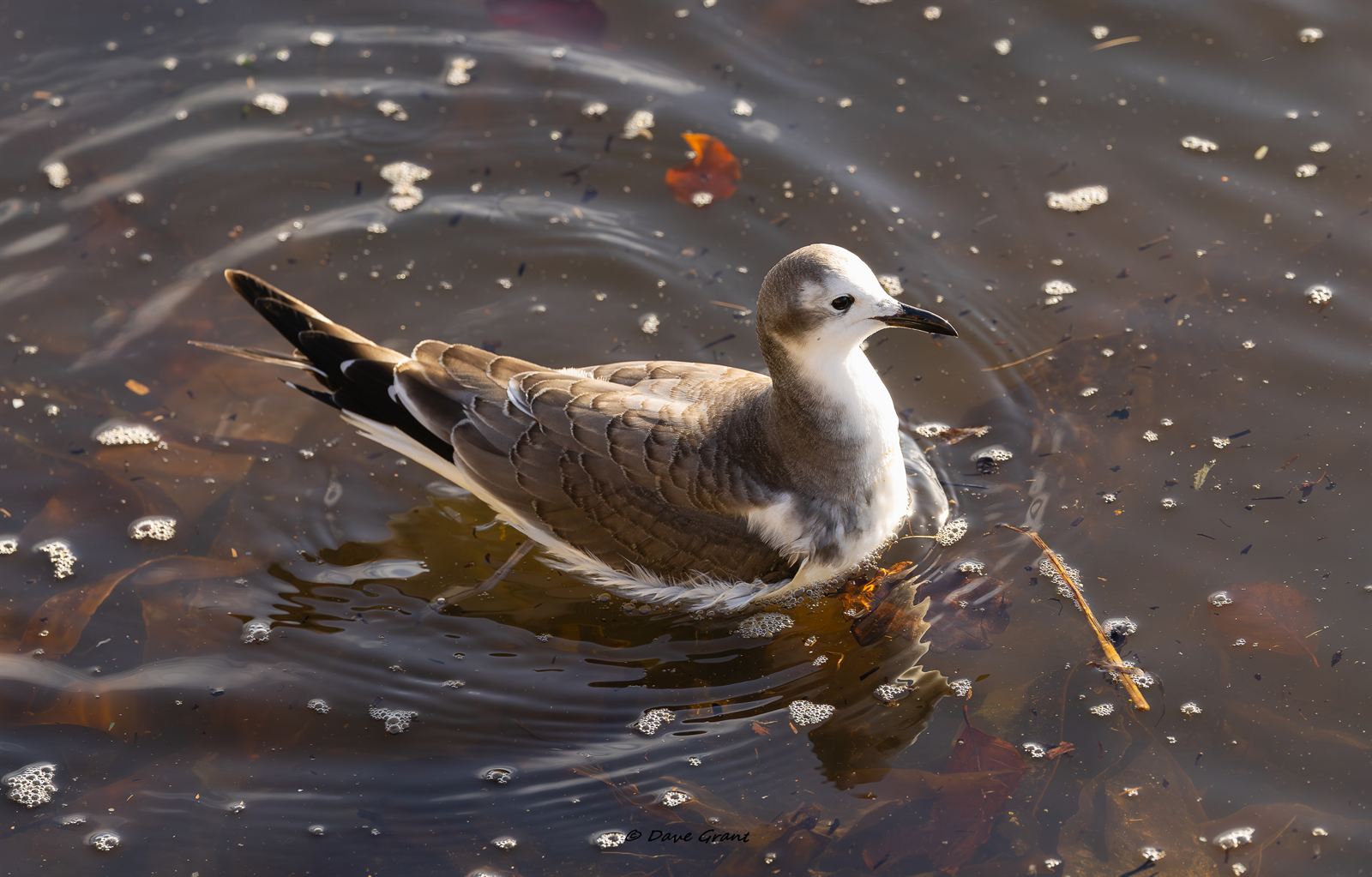
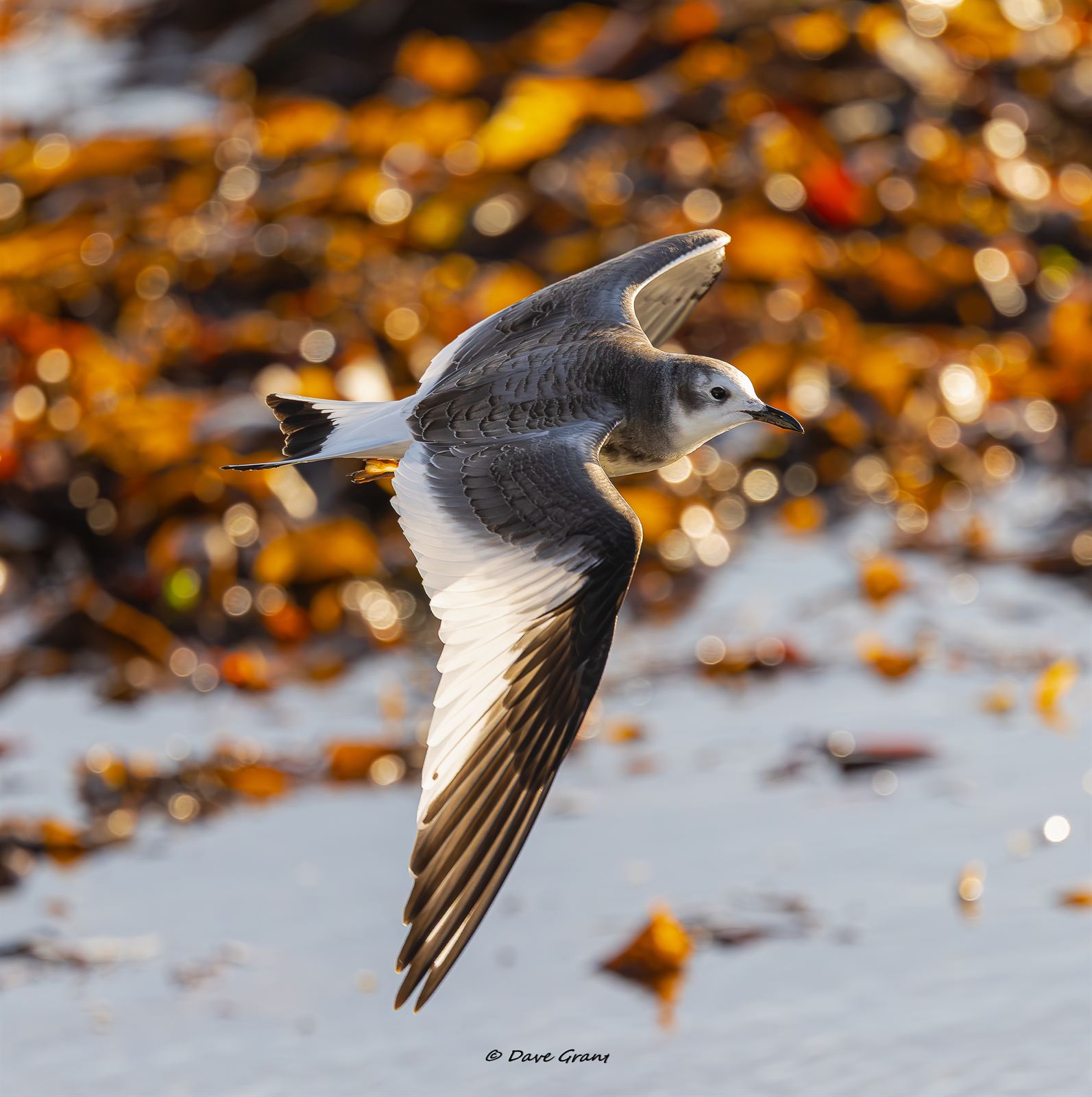
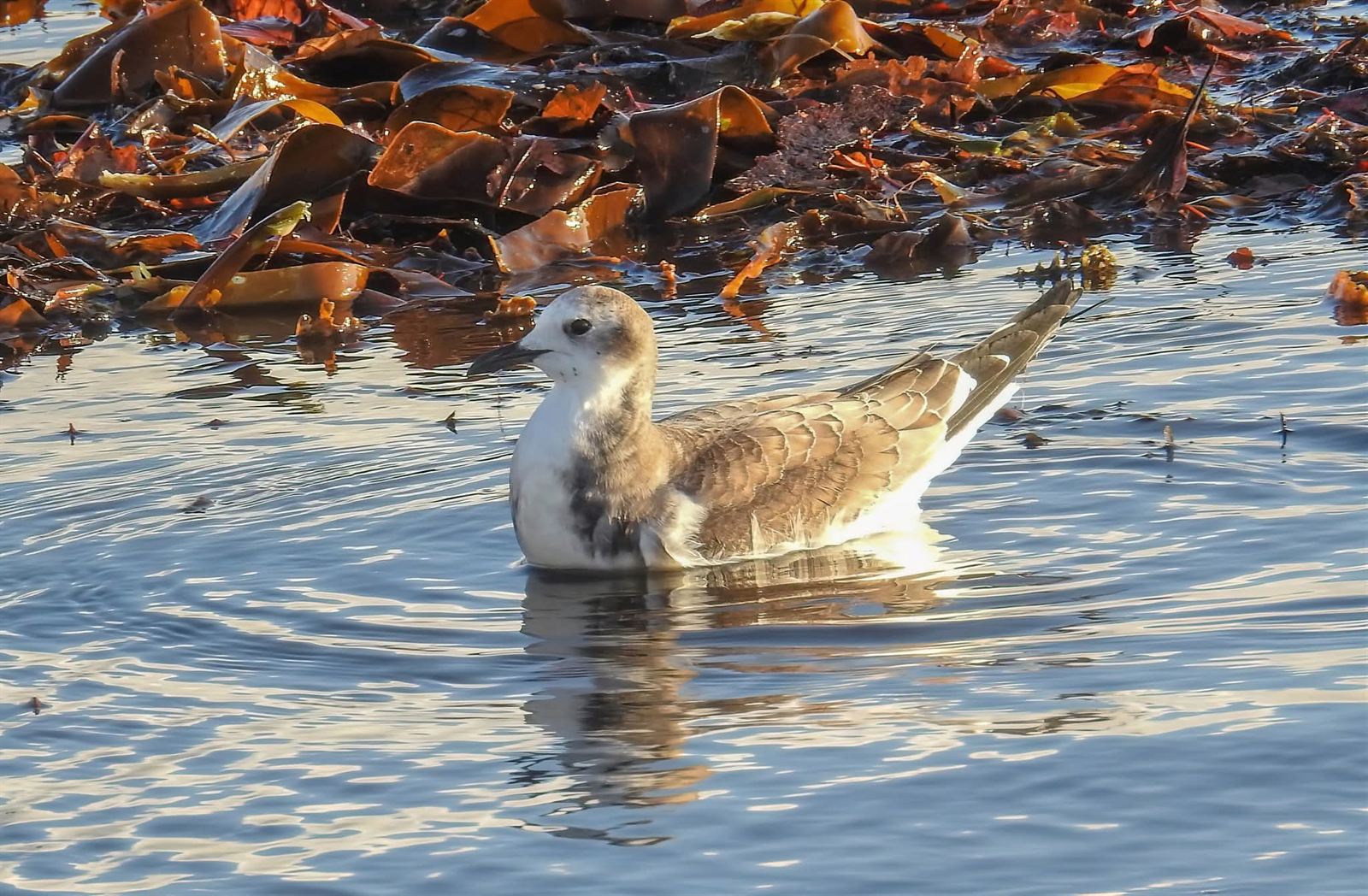
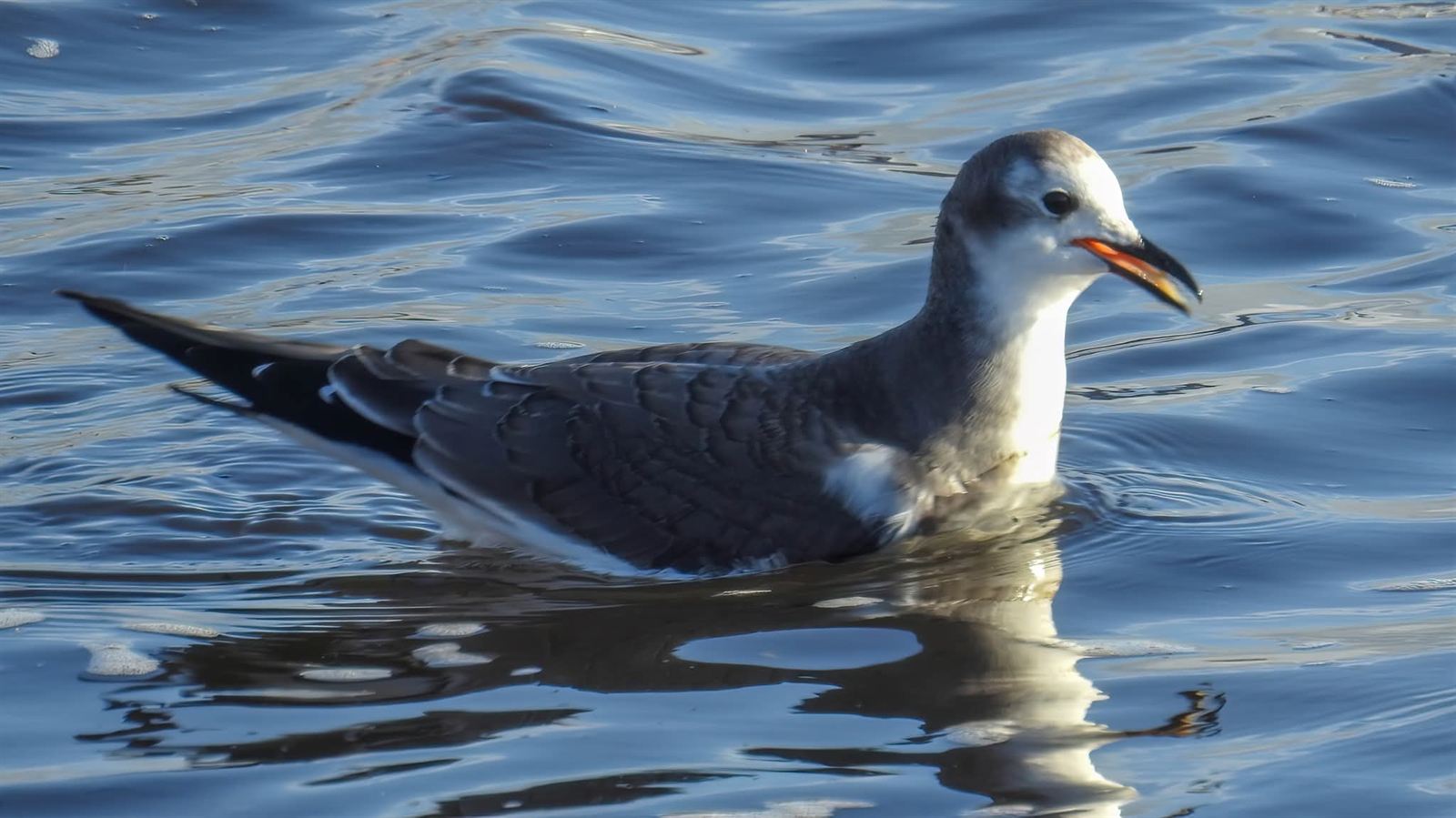
A rare break in the clouds on the 9th of November provided a spectacle of a very obliging juvenile Sabine’s Gull dropping in for a paddle and feed at Troon, as shown above in photos from Dave Grant and David Lynn. For the Gull-fans out there, the Photo Gallery has more to enjoy. As Dave’s was the first photo received, he gets the glory of also getting the picture on the Ayrshire Species List. And, in a first for this site, we’ve got a bit of video of the wee bird enjoying the sun.
I had started birding from Greenan Shore car park with the intention of working south towards Deil`s Dyke, checking the scrub and beach for migrants. Most thickets and Hawthorns held birds: Chaffinches, Stonechats, Greenfinches, Yellowhammers, Dunnocks, Tits and Thrushes were abundant. At the southern end of the field, a little-used, overgrown trail through the thickest, darkest scrub leads to the beach. Several metres into the scrub and creeping through very slowly, watching for any movement within, a pair of Chaffinches and a Song Thrush were feeding in a Hawthorn when another bird came into view from the shadows and into a shaft of sunlight. Initially, from its size and colouration, I thought female Chaffinch with my views from the rear beneath but as it presented a side profile, I could see it certainly was not. Slightly larger than the nearby Chaffinches, it was a pale greyish-beige below and grey/brown above. In the sunlight, a yellowy/brown iris showed well in a dark eye and with a hint of a crest on the scruffy head and a long, strong bi-coloured pointed bill, the overall impression was of a large, fierce-looking Warbler. Realising it was something out of the ordinary, I managed to acquire several quick record shots. The eye colour, bill size, head shape and colouration discounted Garden Warbler and Blackcap, but on quickly inspecting the record shots, I noticed chevron-like barring on the undertail coverts which I had not noticed through binoculars. This diagnostic feature I remembered from reading finders reports and field guides on autumn/first winter Barred Warblers, and also that it was a ponderous, slow-moving Warbler, a trait it was living up to as it clambered about the Hawthorns feeding. Identification clinched in my mind, I posted images quickly online and received corroborating messages of congratulations on a first Ayrshire record.
Hayden Fripp, October 2025
Editor note: links to the full versions of the above images and others are in the Photo Gallery and the Ayrshire Bird List pages.
Birds in their summer finery have kindly been submitted to the Photo Gallery. My thanks go to Dave Grant and Mark Turnbull for sending in the latest batch.
You might have noticed in the Ayrshire Rarities List a mention of a dead Great Bustard from 1895 washed up on Irvine beach: our only, and probably last, sighting of this species. I had a dim recollection of this bird making its way to the Dick Institute in Kilmarnock, so with nothing better to do, I decided to see if they still had it.
Dave Grant tells me that the Osprey he saw over Broomhill (see above) was ringed as a female chick in 2019 in Sutherland. It’s only been seen once before, around the Blair Atholl area.
A lovely, varied batch of photos has been submitted to the Photo Gallery. I find it fascinating how, since this site started over a quarter of a century ago, the quality of the photos has improved by orders of magnitude. We’ve gone from copies taken from slides where the caption is “Yes, that could be a bird” to stunning digital images. We’ve also got images that show the bird’s character and others that are just beautifully composed art. However, that doesn’t mean you have to be a top-flight photographer or have photos of mega-rareities to be considered: a snap on your phone of a Starling having a bath is always going to catch my eye. So, please send your photos in.
My thanks go to Dave Grant, Angus Hogg and Mark Turnbull for sending in the latest batch.